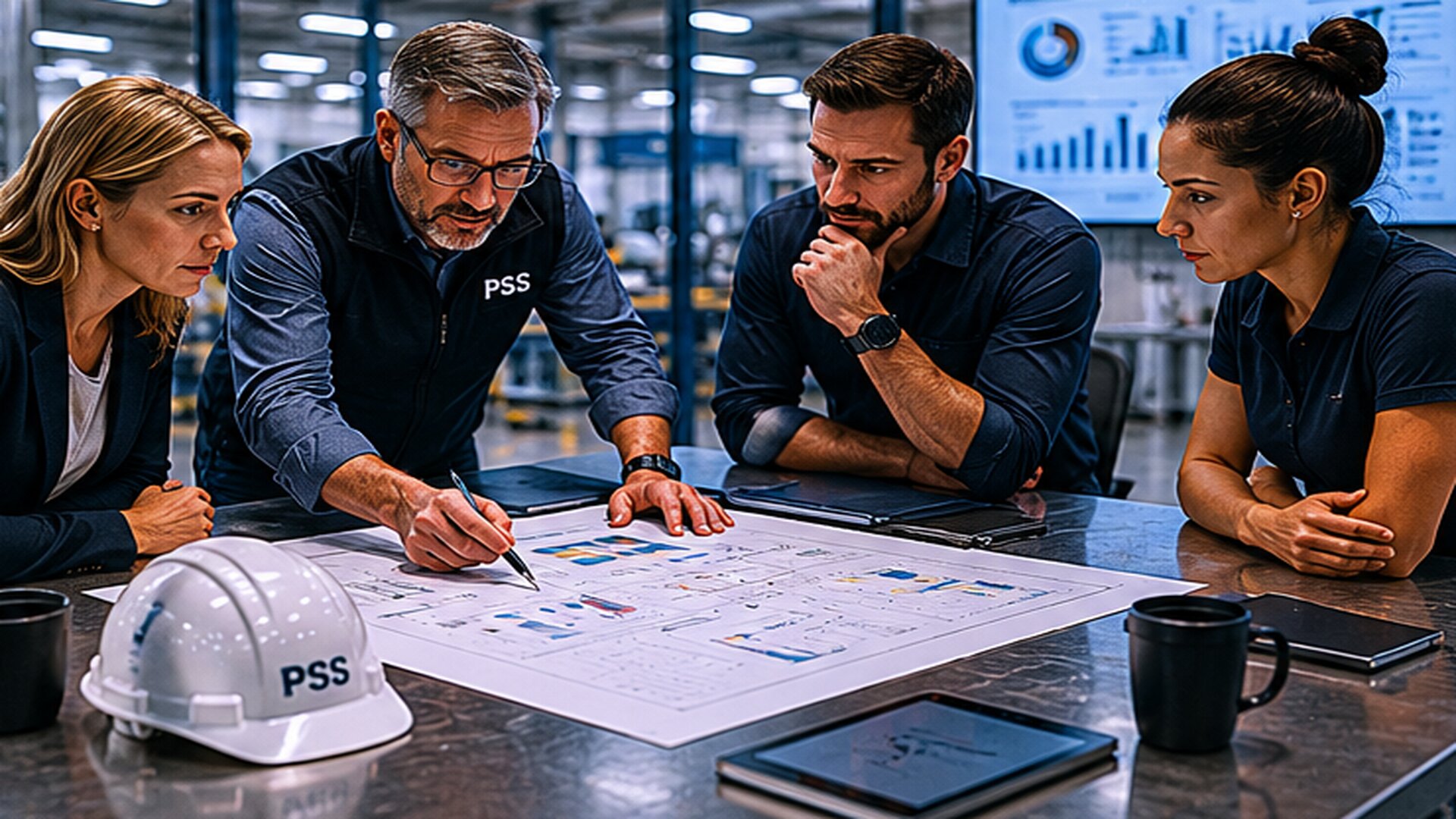
Do you have the workforce necessary to carry your business forward this year?
In the dynamic landscape of the job market, the search for qualified and skilled professionals has become an escalating challenge for industries across the spectrum. For many manufacturers, this challenge is no longer just about hiring—it’s about deploying the right staff augmentation strategy to maintain productivity and stay competitive.
According to the National Association of Manufacturers (NAM) Fourth Quarter 2023 Manufacturers’ Outlook Survey, a staggering 71% of manufacturers identified the formidable task of attracting and retaining employees as their paramount challenge. To effectively deal with this pressing issue and navigate the complexities of the hiring process, organizations are increasingly relying on manufacturing staffing and automotive staffing partners that understand industrial workforce demands.
Equipped with a diverse and experienced talent pool, Premier Staffing Solution (PSS) stands out when organizations grapple with the intricate task of sourcing, filling, and retaining candidates for positions that prove challenging to secure. Through a combination of contingent staffing, manufacturing temp staffing, and direct placements, PSS recruiters leverage industry insights and an extensive network to secure talent aligned with real operational needs.
Already this year, PSS recruiters are seeing a demand for key roles. Here are three hot job categories employers are struggling to fill right now, and PSS is helping to place.
Engineers in High Demand: A Core Focus of Manufacturing Staffing and Staff Augmentation
- Electrical Engineer: With the growing importance of renewable energy, electric vehicles, and smart technologies, the demand for electrical engineers remains high. Premier Staffing anticipates a sustained demand for skilled engineers across different specializations.
- Mechanical Engineer: As the machinery and manufacturing landscape evolves, the need for mechanical engineers continues to grow. Their skills in designing, analyzing, and improving mechanical systems will prove invaluable.
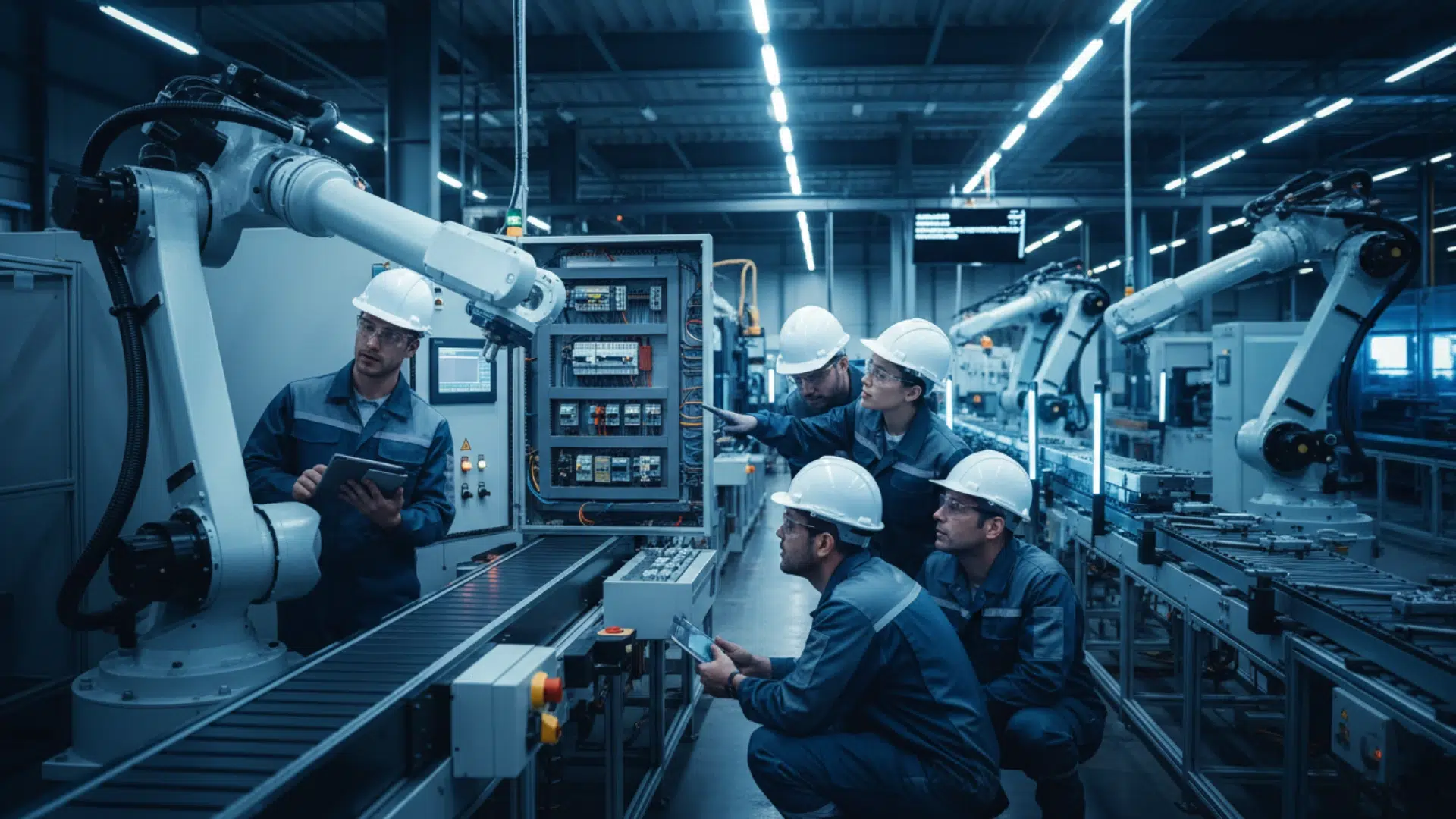
- Controls Engineer: In an era of automation, controls engineers play a crucial role in designing and implementing control systems. Their expertise is vital in optimizing processes and ensuring efficiency. They will be in high demand as industries increasingly rely on their skills, making a significant impact on the evolving landscape of automated systems.
- Robotics Engineer: In industries such as manufacturing, healthcare, and logistics, where the integration of robotics is becoming increasingly prevalent, the expertise of robotics engineers has become highly sought after. Their contributions play a key role in streamlining operations, reducing costs, and improving overall productivity. As technology continues to advance, the role of robotics engineers will become even more critical in shaping the future of automation.
- Tooling Engineer: As manufacturing processes become more advanced, the need for skilled tooling professionals remains high. Their expertise in designing and creating tools for production processes remains indispensable.
Manufacturing Technicians & Operators: Scaling Through Manufacturing Temp Staffing
- Welders: With the expansion of manufacturing processes, the demand for skilled welders remains consistently high. Welders play a crucial role in joining materials, contributing to the production of various goods across industries. As fabrication methods advance, the expertise of welders will become increasingly valuable.
- Machine Operators: Proficient machine operators are instrumental in ensuring the smooth functioning of various manufacturing equipment. Machine operators with a keen understanding of sophisticated machinery will be in high demand as technology advances.
- Process Operators: Process operators are integral to the manufacturing industry, overseeing and optimizing production processes. Their expertise in monitoring and controlling equipment ensures efficiency and quality in manufacturing operations. As industries strive for enhanced productivity, the demand for skilled process operators will increase.
- Production Operators: Production operators are the backbone of manufacturing and play a key role in assembly lines and production processes. Their responsibilities include monitoring equipment, ensuring product quality, and maintaining efficient production flow. As industries continue to innovate, the demand for adaptable and skilled production operators is expected to increase.
Technical Trainers: Closing Skills Gaps With Strategic Staff Augmentation
Technical trainers will remain in high demand this year. Recognizing the pressing need for upskilling and knowledge enhancement, organizations will actively seek technical trainers to ensure their workforce is adept in the latest technologies and methodologies. The pivotal role of these trainers in addressing the skills gap positions them as sought-after professionals, contributing significantly to the workforce’s adaptability and proficiency in an ever-evolving technical work environment.
As a specialized staffing company, PSS comprehensively understands industry challenges. We focus on a meticulous alignment with the specific needs of our clients and boast a ready-to-go bench of talented professionals. Our ability to promptly deploy skilled individuals is a testament to our commitment to addressing urgent staffing needs. Moreover, we excel not only in finding candidates but also in retaining them. Through effective retention strategies and ongoing support, we ensure that the skilled workforce we provide becomes a valuable and lasting asset for our clients.
Do you have job postings you’re struggling to fill? Contact us to access our pool of talent and specialized recruiters. If you’re a job applicant interested in one of our open positions, you must apply on the Job Seekers page to be considered.
Why Staff Augmentation Is Critical for Manufacturing Workforce Stability
In today’s manufacturing environment, staff augmentation has become a strategic necessity rather than a temporary fix. Production schedules, automation initiatives, and supply chain commitments require manufacturers to maintain a highly skilled workforce—even when labor markets are tight. Traditional hiring models often move too slowly to meet these demands, creating operational risk.
By leveraging staff augmentation, manufacturers gain access to specialized talent precisely when it is needed. This approach supports a range of workforce models, including contingent staffing, manufacturing temp staffing, and direct placements, allowing organizations to respond quickly to demand fluctuations without sacrificing quality. For automotive staffing in particular, staff augmentation enables rapid deployment of engineers and technicians critical to production continuity.
Additionally, staff augmentation reduces reliance on last-minute emergency staffing solutions, which are often costly and reactive. Instead, manufacturers can proactively plan workforce coverage using experienced partners such as a trusted warehouse staffing agency or temp staffing agency that understands industrial operations. This proactive model enhances workforce stability, protects output, and supports long-term growth.
Aligning Manufacturing Staffing and Automotive Staffing With Long-Term Growth
Successful workforce strategies align staffing decisions with business objectives. Manufacturing staffing and automotive staffing are no longer transactional functions—they are integral to operational planning and expansion efforts. As facilities scale, launch new product lines, or adopt automation, workforce flexibility becomes essential.
Staff augmentation allows organizations to scale talent in parallel with operational growth. Engineers, operators, and trainers can be deployed strategically to support expansion without overextending internal teams. Over time, high-performing augmented staff can transition into direct placements, creating a sustainable talent pipeline.
This blended approach ensures manufacturers are prepared for both immediate production demands and long-term competitiveness. When staffing aligns with growth objectives, organizations gain resilience, agility, and confidence in their ability to execute.
FAQs: Staff Augmentation, Manufacturing Staffing, and Workforce Planning
1. What is staff augmentation in manufacturing and industrial environments?
Staff augmentation is a workforce strategy that allows manufacturers to supplement their existing teams with skilled professionals on a temporary or project-based basis. It provides flexibility to address production surges, specialized skill requirements, or talent shortages without committing to permanent hires immediately. This approach is commonly used alongside manufacturing staffing and contingent staffing models.
2. How does staff augmentation support automotive staffing needs?
Automotive staffing often requires rapid access to engineers, technicians, and operators with specialized expertise. Staff augmentation enables manufacturers to fill these roles quickly, ensuring production continuity and supporting innovation initiatives without long recruitment cycles.
3. When should companies use manufacturing temp staffing versus direct placements?
Manufacturing temp staffing is ideal for short-term needs, seasonal demand, or project-based work. Direct placements are better suited for leadership or long-term roles. A balanced staffing strategy often combines both to maintain flexibility and stability.
4. Can staff augmentation reduce reliance on emergency staffing solutions?
Yes. By planning workforce needs in advance and partnering with a reliable staffing provider, organizations can reduce last-minute hiring challenges and minimize the need for emergency staffing solutions, leading to better cost control and operational consistency.
PSS cannot and does not provide legal advice. It’s important to consult with qualified counsel before adopting any new policies. It’s also your responsibility to determine whether legal review of work product is necessary prior to implementation.