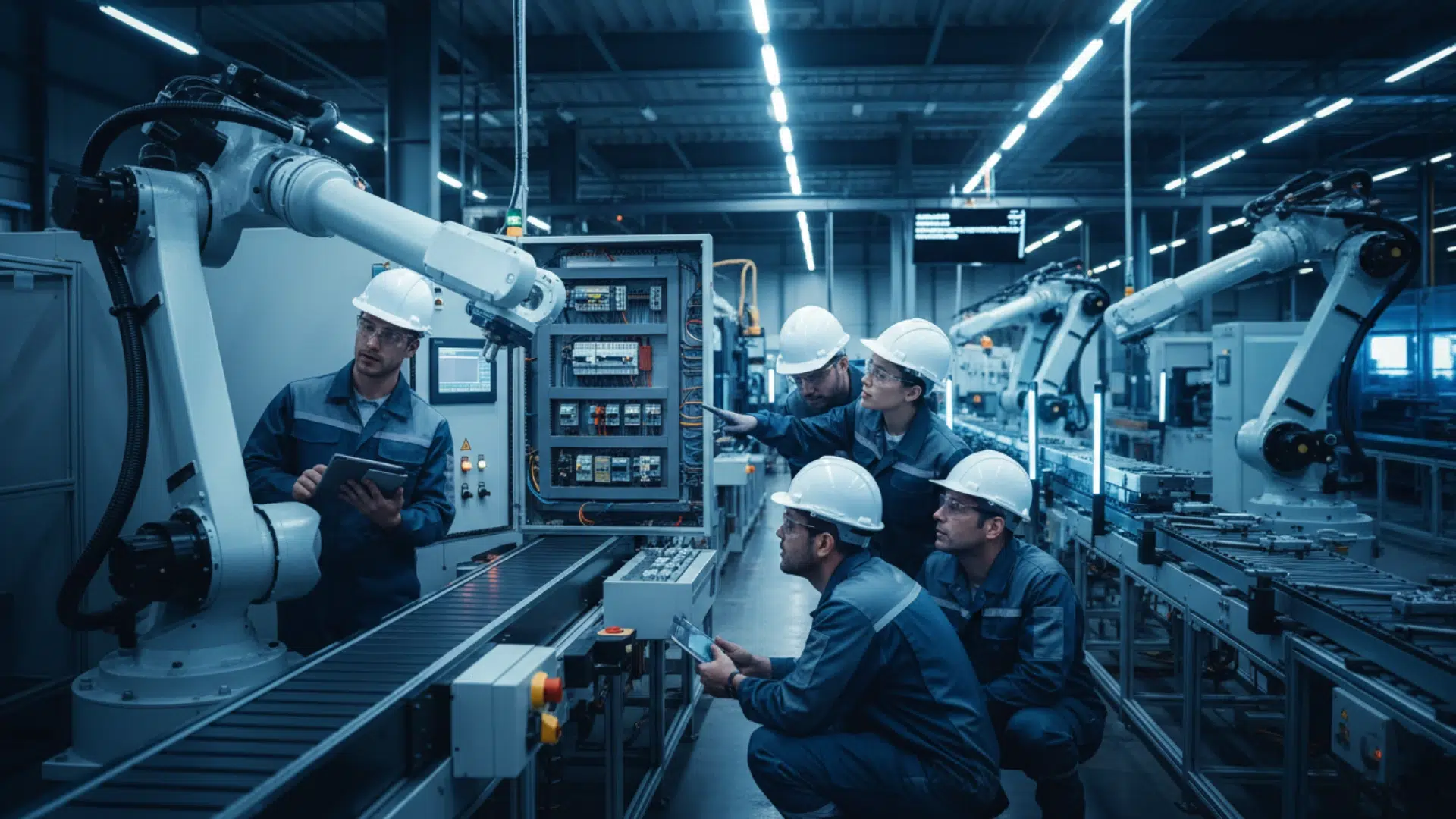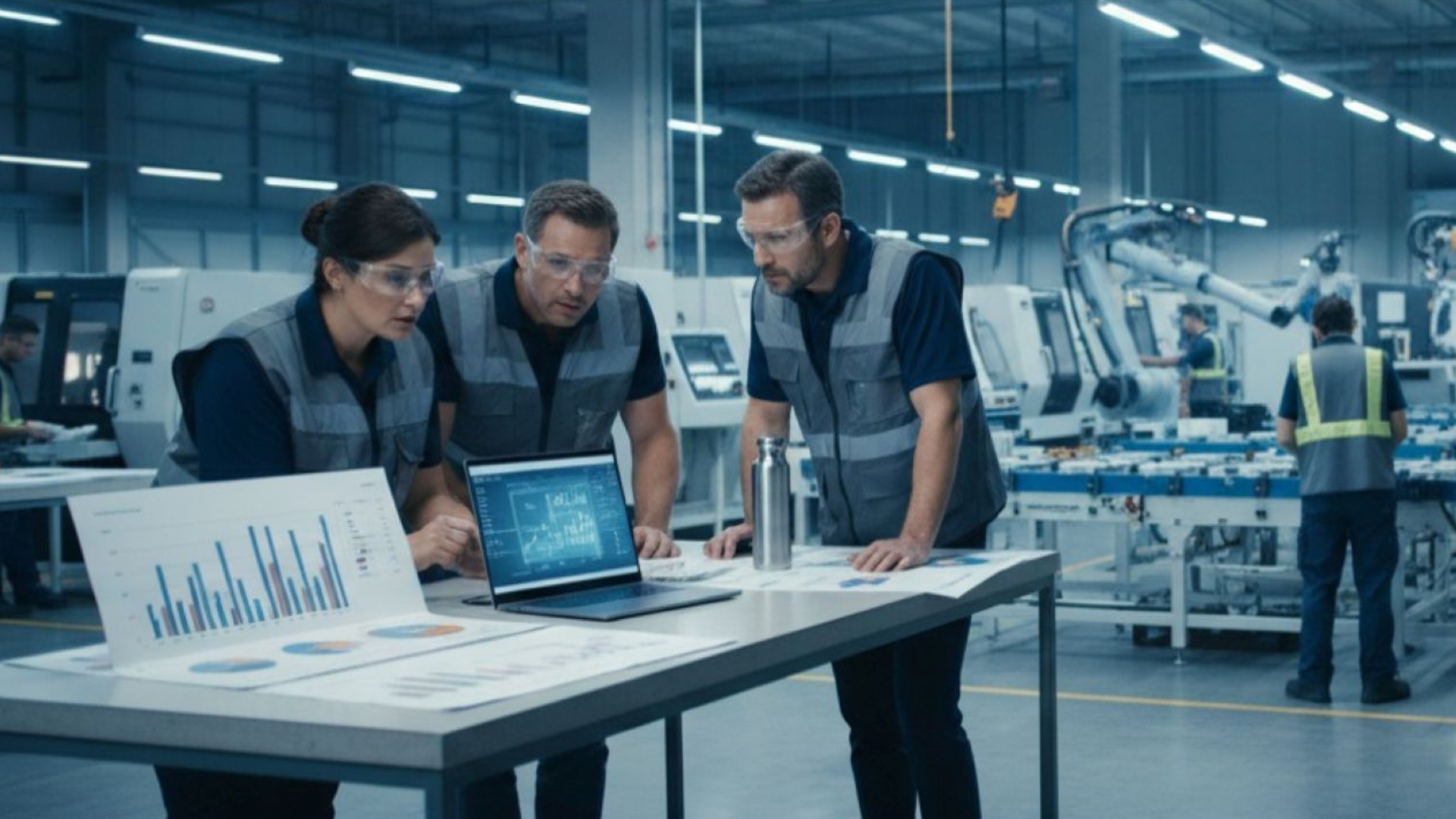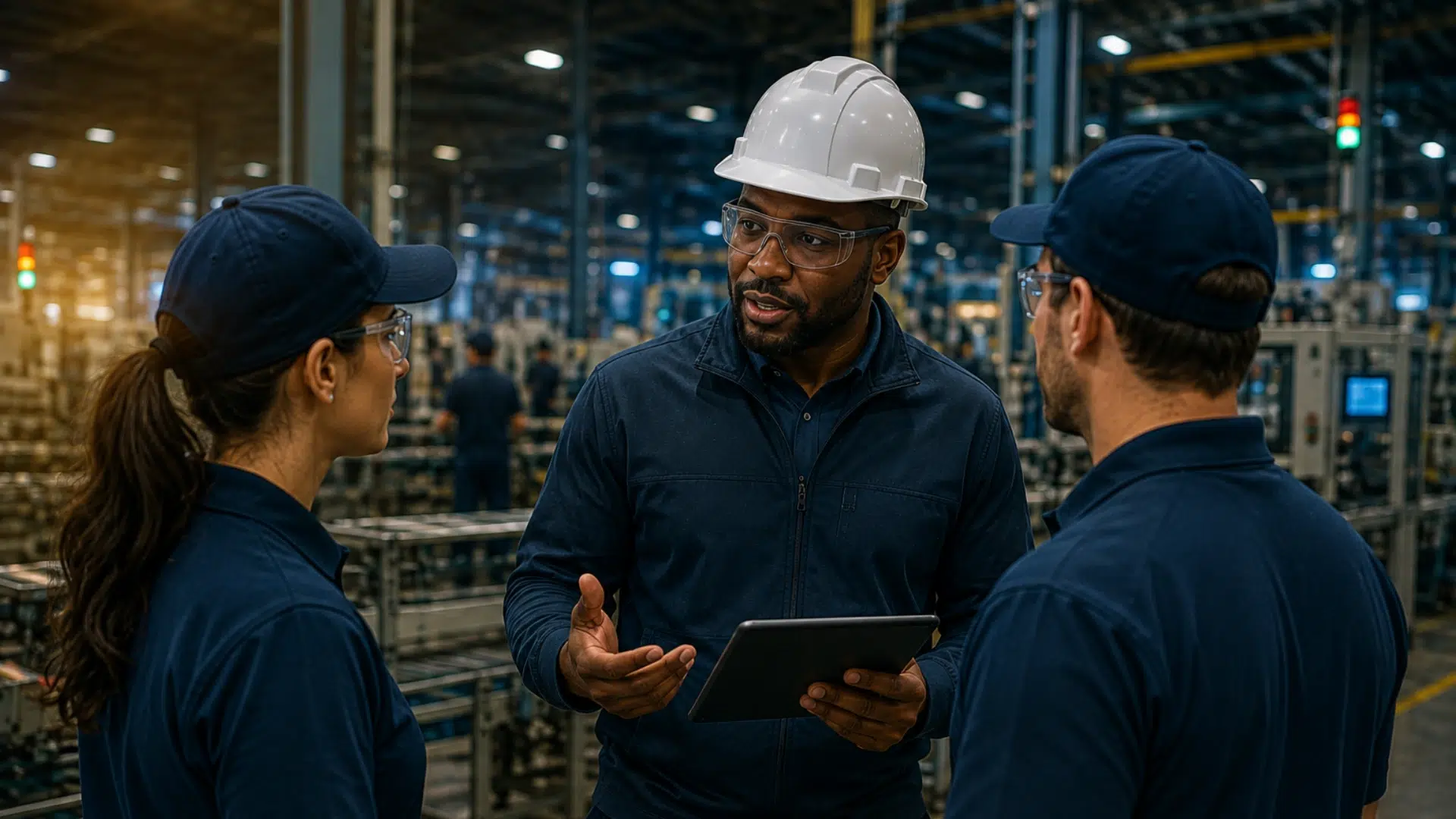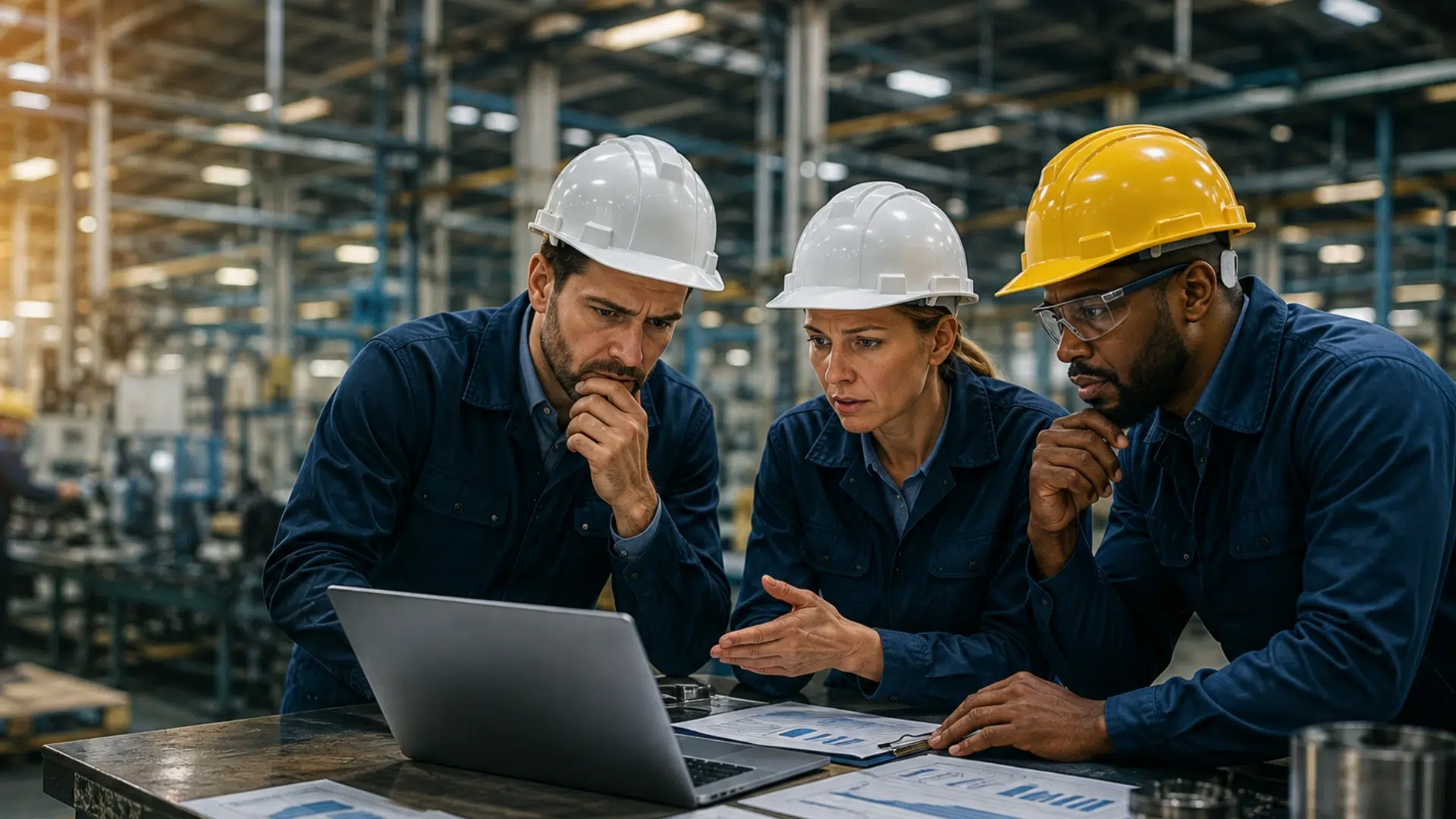
Every year manufacturing becomes increasingly automated, but automation does not decrease the need for skilled labor. Automation, however, transformed the kind of labor manufacturers need to sustain efficient operation of production lines installation, maintenance, optimization, and troubleshooting of robots, PLCs, automated conveyors, vision systems, smart sensors, and other automation technologies are carried out by skilled and experienced technicians.
With continuous investments in automation technology, the need for skilled trades staffing, industrial maintenance staffing, and automation technician staffing increases. Skilled labor is required whether for the automation of automotive plants, warehouse automation, or plant automation in Midwest manufacturing in general.
This article will tell about the skilled trades that the automated facilities of the future require, how staffing needs vary depending on a particular project, and how you can create a more flexible workforce at your facility without disrupting production production.
How Automation Changes the Skilled Trades Skill Mix
Automation saves effort from repetition, but raises the level of demand for skills tremendously. Any automated manufacturing line has machinery that must be installed, calibrated, programmed, maintained, and repaired in emergencies. The employment of automation technicians and skilled tradespeople is necessary for the proper functioning of the automated manufacturing workforce equipment.
Instead of hiring primarily machine operators, manufacturers now require professionals who understand:
- PLC programming
- Robotics systems
- Industrial controls
- Electrical troubleshooting
- Predictive maintenance
- Mechanical alignment
- Industrial networking
- Preventive maintenance planning
As plants adopt Industry 4.0 technologies, workforce planning becomes less about headcount and more about technical capability.
What Skilled Trades Do Automated Plants Depend On?
Modern facilities require multiple technical specialtie for working together to maintain production continuity.
Industrial Maintenance Technicians for Modern Manufacturing:
Industrial maintenance technicians inspect, repair, and maintain production equipment to prevent unexpected downtime.
Their responsibilities include:
- Preventive maintenance
- Hydraulic and pneumatic repairs
- Conveyor maintenance
- Mechanical troubleshooting
- Equipment inspections
- Emergency machine repairs
Without experienced maintenance technicians, even minor equipment failures can stop entire production lines. This makes industrial maintenance staffing an important part of maintaining a reliable technical workforce.
Controls and Automation Technicians for Industrial Automation:
Controls technicians install, configure, and troubleshoot automated control system that are operate manufacturing equipment.
Typical responsibilities include:
- PLC troubleshooting
- HMI programming
- Sensor calibration
- Robot integration
- Variable frequency drive (VFD) configuration
- System diagnostics
These professional are increasingly essential in automotive plants and warehouse automation facilities where equipment operates around the clock. For manufacturers managing complex manufacturing automation, access to qualified controls and automation technician staffing can help maintain production continuity.
Industrial Electricians for Manufacturing Operations:
Industrial electricians install and maintain electrical systems that power manufacturing workforce.
Their work includes:
- Control panels
- Power distribution
- Motor controls
- Electrical safety compliance
- Equipment wiring
- Emergency electrical repairs
Electrical failures often create immediate production stoppages, making experienced electricians critical for production continuity.
Millwrights for Plant Expansion and Equipment Installation:
Millwrights install, align, move, and repair heavy industrial machinery.
Their expertise is especially valuable during:
- Plant expansions
- Equipment relocation
- Production line installations
- Manufacturing modernization
- Shutdown maintenance projects
Large capital projects often require additional millwrights staffing for short term assignments. This is where project-based staffing can provide access to specialized skilled trades without requiring permanent additions to the core workforce.
Electromechanical Technicians for Automated Manufacturing:
Electromechanical technicians bring together expertise in electricity, mechanics, hydraulics, and automation to take care of manufacturing systems.
Responsibilities include:
- Robot maintenance
- Mechatronics troubleshooting
- Automated conveyor repairs
- Equipment testing
- Production equipment optimization
These technicians are increasingly difficult to recruit because they possess multiple specialized skill sets. As a result, manufacturers increasingly need flexible technical staffing solutions to access these specialized capabilities.
Plant Automation and Skilled Trades Role Map
| Automation System | Primary Skilled Trade | Business Impact |
| Robotics | Controls Technician | Continuous production |
| PLC Systems | Automation Technician | Machine reliability |
| Conveyors | Industrial Maintenance Technician | Material flow |
| Electrical Panels | Industrial Electrician | Plant safety |
| Heavy Machinery | Millwright | Equipment installation |
| Smart Manufacturing Systems | Electromechanical Technician | Production optimization |
Each role supports a different part of the production process, making workforce planning essential for operational success.
The Risk of Relying on One Person for Technical Knowledge
Many manufacturers unknowingly depend on one experienced technician who understands a critical production line. While this may seem manageable, it creates significant operational risk.
If that employee:
- Takes extended leave
- Retires
- Accepts another position
- Becomes unavailable during an emergency
valuable technical knowledge can disappear overnight.
The danger in such cases is even more pronounced when there are expansion or modernization works in the factory, because all the systems must function together. Manufacturers need to keep record of essential procedures and train the technicians cross-functionally.
How to Separate Permanent, Project-Based, and Surge Staffing Needs
Not every staffing requirement should be filled the same way. Matching workforce strategy to business demand improves flexibility while controlling labor costs.
| Workforce Need | Vacancy Risk | Recommended Staffing Model |
| Core Maintenance Team | High | Permanent skilled trades staffing |
| Plant Expansion | Medium | Project based staffing |
| Equipment Installation | Medium | Project staffing |
| Seasonal Production Increase | High | Surge staffing |
| Emergency Equipment Failure | Critical | JITS staffing |
| Automation Upgrade | Medium | Specialized contract staffing |
This blended staffing model allows manufacturers to maintain productivity without overstaffing during slower production periods. It can also combine contingent staffing with permanent employees when demand changes.
What a Skilled Trades Request Should Include
Providing detailed job requirements helps staffing partners identify qualified candidates more quickly.
A strong skilled-trades staffing request should include:
- Job title
- Required certifications
- Years of experience
- Equipment used
- PLC or automation platforms
- Shift schedule
- Plant location
- Safety requirements
- Project duration
- Start date
- Overtime expectations
- Required tools
- Physical requirements
- Industry experience
- Reporting structure
Detailed requests reduce hiring delays while improving candidate quality. A clear request also helps a temp staffing agency or other staffing partner match candidates to the technical requirements of the role more efficiently.
How to Build Technical Workforce Flexibility in Manufacturing
The need for manufacturing is dynamic due to customer demand, machine improvements, maintenance downtime, and seasonal manufacturing cycles.
Instead of depending only on hiring workers permanently, most manufacturing industries use multiple workforces including:
- A permanent maintenance staff deals with day-to-day work.
- Project technicians provide support for automation.
- JITS workers are used as a temporary solution in case of emergencies or absence of workers.
- Thus, the personnel can stay productive despite the changing demands of production.
- Selection of Skilled Trades Staffing Model
Such an approach provides for promptness but does not disrupt production processes.
For example:
- A permanent maintenance team handles day to day operations.
- Project technicians support automation upgrades.
- JITS staffing fills urgent maintenance gaps during breakdowns or unexpected absenteeism.
The result is a workforce that remains productive while adapting to changing operational needs.
How to Choose the Right Skilled Trades Staffing Model
Each manufacturing plant has different workforce needs. The best staffing model will vary based on production schedules, equipment complexities, maintenance needs, and expansion plans in the future.
Manufacturers should evaluate:
- Current maintenance workload
- Planned automation investments
- Hiring timelines
- Technical skill shortages
- Project duration
- Budget flexibility
- Business growth plans
Midwest manufacturing facilities are increasingly implementing hybrid staffing models combining permanent employees with project and surge staffing to boost workforce resilience while managing hiring risk.
Skilled Trades Staffing, Project Based Staffing and PSS JITS Staffing solutions are also available to help organizations strengthen their technical workforce for planned initiatives and unexpected production issues. Aligning staffing strategies with operational objectives can improve equipment reliability, minimize downtime and retain the technical knowledge necessary for long term success.
Skilled Trades Staffing Frequently Asked Questions
What skilled trades are required in automated plants?
Sophisticated production systems often need industrial maintenance technicians, controls technicians, automation technicians, industrial electricians, millwrights and electromechanical technicians to install, maintain and troubleshoot them in automated manufacturing facilities.
Why does automation increase the need for maintenance?
Automation includes sophisticated equipment, sensors, robotics and control systems that need periodic preventive maintenance, software upgrades, diagnostics and specialized repairs. As automation grows, the demand for skilled maintenance professionals will also grow.
When to Use Project Staffing for Plants
Project staffing staffing is ideal for automation upgrades, plant expansions, equipment installation, production line moves, shutdown maintenance, and modernization projects where specialized talent is needed for a specific time.
How can plants reduce technical workforce risk?
Manufacturers can reduce workforce risk by cross training employees, documenting critical technical knowledge, maintaining succession plans, and using a flexible staffing model that combines permanent employees, project specialists, and just in time staffing support.