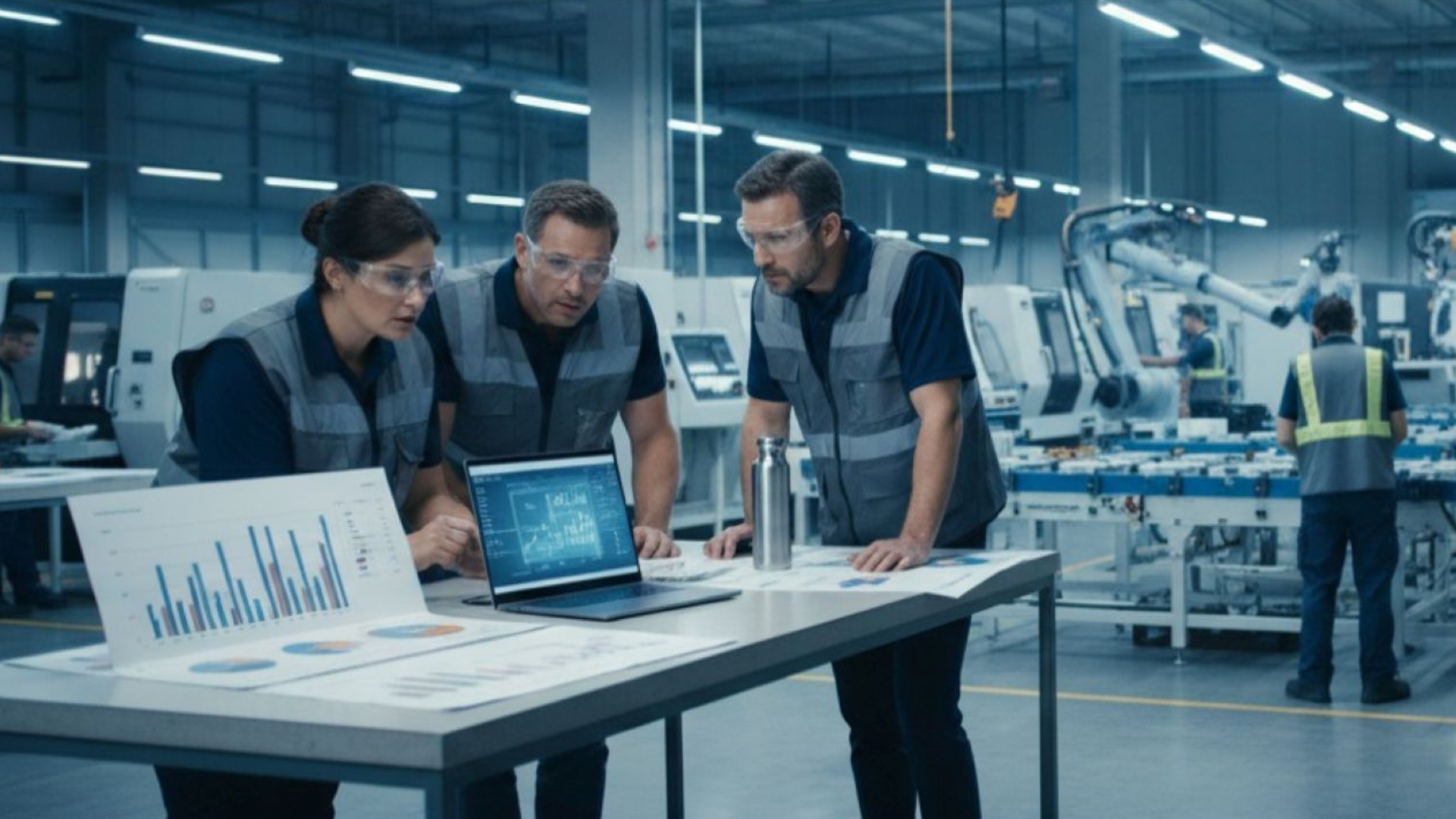
Manufacturing firms typically concentrate on the salary associated with the vacant job, but the cost of unfilled manufacturing positions is much broader than just the salary. Each open job has a direct impact on efficiency, overtime, staff motivation, deliveries to customers, and profitability. Without effective workforce planning, even one job opening may cause many problems for the whole production line. This is why more manufacturers are investing in manufacturing staffing solutions that help maintain production continuity while reducing hiring delays and labor costs.
Why Does an Open Position Cost More Than the Missing Wage?
A vacancy in the manufacturing sector affects far more than just labor costs. Vacancy costs are linked to increased costs related to overtime, lessened productivity, delayed customer deliveries, increased costs associated with recruitment and hiring, and more strain placed on current employees. Often, these factors contribute significantly to manufacturing labor costs and may be higher than what would have been paid for the job. Most companies erroneously believe that they are saving money by leaving positions vacant.
Typical cost factors not often considered include:
- Overtime costs
- Lower productivity
- Customer order delays
- Fatigue among employees
- Turnover rates
- Quality control problems
- Recruitment costs
A good manufacturing staffing solution can help avoid these problems before they impact the business.
Five Workforce Costs to Calculate When Manufacturing Positions Remain Unfilled
Every manufacturer should regularly evaluate these workforce expenses to understand the real financial impact of vacancies and identify opportunities to control staffing costs.
Cost of Overtime and Rising Manufacturing Overtime Costs
Whenever there is an empty position, the existing employees are required to work overtime to ensure continued production. Even though working overtime fills the gaps in time, the continued dependence on overtime causes a lot of increase in manufacturing overtime costs
Common overtime impacts include:
- Higher labor expenses
- Increased absenteeism
- Lower morale
- Greater risk of workplace accidents
- Burnout among experienced workers
Cost of Production Delays and Lost Manufacturing Productivity
Manufacturing schedules depend on having the right people available at the right time.
Labor shortages may lead to:
- Missed production deadlines
- Delayed customer shipments
- Contract penalties
- Inventory shortages
- Reduced customer satisfaction
Maintaining production continuity requires consistent staffing levels throughout every shift.
Cost of Recruiting Internally and Filling Open Positions
Internal recruiting requires time from supervisors, HR teams, and hiring managers.
Typical internal recruiting costs include:
- Resume screening
- Interviews
- Skills assessments
- Background checks
- Training coordination
- Administrative work
These hidden labor costs reduce the time leadership can spend improving operations. A qualified temp staffing agency can help supplement internal recruiting capacity when vacancies are difficult to fill or hiring timelines are creating operational pressure.
Cost of Turnover From Prolonged Manufacturing Labor Shortages
Employees covering vacant positions often experience higher stress levels.
Long-term staffing shortages may contribute to:
- Employee burnout
- Increased resignations
- Higher onboarding costs
- Lost institutional knowledge
- Reduced engagement
Replacing experienced manufacturing workers is typically far more expensive than preventing turnover through proactive staffing. A combination of workforce planning, manufacturing staffing, and appropriate staffing support can help organizations stabilize workforce levels before vacancies create additional turnover pressure.
Cost of Reduced Output and Manufacturing Productivity
Even when overtime fills scheduling gaps, productivity rarely remains at normal levels.
Reduced output may result from:
- Slower production cycles
- Equipment downtime
- Quality defects
- Missed efficiency targets
- Reduced overall profitability
This is why effective workforce optimization depends on maintaining appropriate staffing levels rather than relying solely on overtime.
Callout Box: Five Manufacturing Labor Costs to Review Monthly
- Overtime expenses
- Production delays
- Employee turnover
- Internal recruiting time
- Output per labor hour
How Do Vacancies Spread Pressure Across the Entire Manufacturing Shift?
One vacant position is unlikely to affect just one worker alone. They make other people’s jobs harder, create scheduling problems, decrease efficiency, and put extra pressure on supervisors and operators. This can, over time, negatively impact production performance as well as contribute to employee turnover.
A single operator shortage often requires multiple employees to adjust responsibilities.
Typical operational impacts include:
- Longer machine setup times
- Increased overtime scheduling
- Reduced maintenance availability
- Less training time
- Lower production flexibility
- Greater supervisory workload
For manufacturers operating multiple shifts, these effects can compound quickly. This is where manufacturing staffing solutions can provide additional capacity and help organizations respond before a vacancy develops into a broader production problem.
When Does Flexible Staffing Cost Less Than Waiting for a Hire?
Flexible staffing becomes cost-effective when vacancy-related overtime, production delays, and recruitment costs exceed the investment required to bring qualified temporary or contingent workers into the facility. Early staffing support often reduces long-term operational costs.
Rather than waiting months for permanent hiring, manufacturers increasingly use flexible workforce strategies to maintain productivity.
Benefits include:
- Faster workforce availability
- Improved production continuity
- Lower overtime dependence
- Reduced hiring pressure
- Better workforce planning
- Greater operational flexibility
Contingent staffing can be particularly useful when manufacturers need additional workers for seasonal demand, production spikes, projects, or temporary labor shortages. In warehouse environments, a warehouse staffing agency can similarly provide additional workforce capacity when order volumes or operational requirements increase.
For organizations operating in automotive manufacturing, automotive staffing can provide another workforce option when production schedules require qualified workers quickly.
Comparing Contingent, Temp-to-Perm, and Direct Hire Staffing
| Staffing Model | Best For | Hiring Speed | Flexibility | Long-Term Commitment |
| Contingent Staffing | Seasonal demand, projects, production spikes | Very Fast | High | Low |
| Temp-to-Perm Staffing | Evaluating long-term employees | Fast | Medium | Medium |
| Direct Hire | Permanent skilled positions | Slower | Low | High |
Choosing the appropriate staffing model depends on production schedules, hiring timelines, and long-term workforce goals.
For manufacturers evaluating manufacturing staffing options, the right approach may involve combining permanent employees with contingent or temporary workers rather than relying on a single staffing model.
Callout Box: When to Add Manufacturing Staffing Support
Consider additional staffing support when:
- Overtime becomes routine
- Production deadlines are slipping
- Vacancies remain open for several weeks
- Employee turnover begins increasing
- Customer delivery performance declines
These indicators can help leadership determine when the cost of open positions has become greater than the cost of adding qualified workforce support.
A Simple Vacancy-Cost Calculation for Manufacturing Operations
Understanding vacancy costs helps organizations make informed staffing decisions.
Vacancy Cost Calculator: Measuring the Cost of Unfilled Positions
Assumptions
| Cost Category | Example Value |
| Daily production loss | $2,500 |
| Daily overtime expense | $600 |
| Recruiting cost | $2,000 |
| Vacancy duration | 25 days |
Estimated Cost Formula
Vacancy Cost =
(Daily Production Loss × Vacancy Days)
(Daily Overtime × Vacancy Days)
Recruiting Costs
Example
Production Loss:
$2,500 × 25 = $62,500
Overtime:
$600 × 25 = $15,000
Recruiting:
$2,000
Estimated Total Vacancy Cost = $79,500
Even a single open position can generate substantial operational costs beyond wages alone.
Visible Costs vs. Hidden Manufacturing Staffing Costs
| Visible Costs | Hidden Costs |
| Recruiting fees | Overtime expenses |
| Advertising positions | Lower productivity |
| Interview time | Production delays |
| Training costs | Employee burnout |
| New hire onboarding | Customer dissatisfaction |
| Payroll | Higher turnover |
While visible expenses are easy to measure, hidden operational costs often have a much greater impact on profitability. These hidden costs are an important part of understanding total staffing costs and the broader financial impact of labor shortages.
Building a Workforce Planning Response Before Disruption
Good workforce planning ensures that manufacturers react to issues rather than being forced into a reactive stance as a result of staff shortages following production issues.
Effective workforce management usually involves:
- Predicting labor requirements
- Managing production schedules
- Sustaining pipeline of qualified talent
- Implementing flexible staffing during peak demand periods
- Evaluating workforce performance indicators monthly
Effective planning coupled with good manufacturing staffing provides means for improving workforce optimization, sustaining production flow, and minimizing future cost of unfilled manufacturing positions.
FAQ: Manufacturing Vacancy Costs and Flexible Staffing
What are the costs of a vacancy?
The costs of a vacancy include the cost of overtime, delayed production, decreased production, recruitment costs, high employee turnover, and lack of productivity. The sum total of all of these is usually higher than the compensation paid to the worker. These vacancy costs can also affect customer satisfaction, production continuity, and overall manufacturing profitability.
How does overtime drive up the cost of labor?
Overtime leads to increased expenses of hourly wage payments, increased fatigue of the worker, increases in turnover, decreased productivity, and poor-quality products. When overtime becomes a recurring solution to labor shortages, manufacturing overtime costs can quickly increase total staffing costs while also placing additional pressure on experienced employees.
When should a manufacturer use flexible staffing?
Flexible staffing should be considered by manufacturers whenever there are still vacancies to be filled, whenever the need for production increases, whenever there is too much overtime, or whenever there is seasonal workload.
How does flexible staffing support manufacturing?
Flexible staffing offers skilled workers fast, which helps manufacturers in managing production schedules, decreasing the need for overtime, increasing labor flexibility, and avoiding disruptions in production.
For manufacturers, the right manufacturing staffing solutions can complement workforce planning by providing qualified workers when demand increases, vacancies remain open, or production continuity is at risk.